

In the modern business world, data and information are valuable. But they often come in the form of long spreadsheets and endless rows of numbers. For executive leaders, digging through all that data can feel overwhelming.
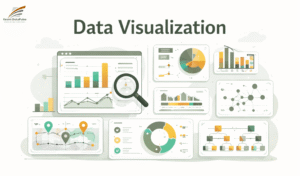
Data visualisation turns those numbers into pictures that tell a story using visual elements such as charts, graphs, or dashboards. Instead of forcing readers to interpret raw numbers, visualisations make reports clearer and easier to understand.
Below are some reasons why data visualisation has become such an important part of business reporting.
Let’s dive right in
Making Complex Information Easy to Understand
Most people would rather look at a simple chart than study a long table of numbers (Data scientists exempted).
Raw data can be difficult to interpret, especially when there are hundreds or thousands of numbers (e.g., sales data, Financial records, marketing performance, etc).
Data visualisation helps simplify how data can be presented. A line chart can quickly show whether sales are rising or falling over time. A bar chart can compare the performance of different products or departments. A pie chart can show how revenue is distributed across different markets.
At a glance, everyone can quickly see the big picture and understand it. This saves time and reduces the risk of misinterpreting important information.
ALSO READ: From Data to Decisions: How Smart Businesses Turn Numbers into Growth
Helping Leaders Make Faster Decisions
Business leaders rarely have the luxury of spending hours analyzing detailed reports. They often need to review information quickly and make decisions that affect the entire organization.
Visual reports make this process much easier. Instead of scanning multiple pages of text and numbers, they can simply look at a few charts to check how the business is performing and immediately understand the situation.
For example, a dashboard might show sales performance, marketing results, customer growth, and operational costs all at once. If there’s a sudden drop in revenue or a spike in expenses, it becomes visible right away.
Spotting Trends, Opportunities, and Problems
One key importance of data visualisation is its ability to reveal patterns. When data is presented visually, trends that might otherwise go unnoticed become much easier to see.
A simple graph might show that sales consistently increase during certain months of the year. Another chart might reveal that one product is outperforming the others.
These patterns are very useful for business planning. Business leaders can identify growth opportunities, recognize areas that need improvement, and plan strategies based on real evidence rather than guesswork.
Visual reports also act as an early warning system if something starts going wrong. For example, declining customer purchases or rising expenses. Visual indicators can reveal the issue before it becomes a major problem.
ALSO READ: Data Governance vs Data Management: What’s the Difference?
Making Reports More Engaging and Easier to Share
A report filled with dense text and endless numbers isn’t the most exciting thing to read. Important information can get lost in the presentation if the numbers are overwhelming.
Data visualisation adds clarity and fun energy to reports. Charts and diagrams break up long sections of text and draw attention to the most important points, making it easier to remember the needed information.
Visualisation also improves communication during meetings by creating a shared view of the data that everyone can understand.
When everyone is literally “looking at the same picture,” conversations become clearer, and collaboration becomes easier.
Why You Should Use Data Visualisation In Your Next Business Report
Data visualization takes complex data and presents it in ways that are simple and understandable to everyone.
For business leaders, this means less time struggling to interpret numbers and more time focusing on strategy and decision-making.
The ability to present data clearly is just as important as collecting data in the first place. And that is what we do best at Keyen Data Pulse, helping organizations properly visualize and understand their data to drive smarter growth.
If you have any questions not covered above, get in touch with Keyen Data Expert via:
WhatsApp: (+234) 7066544798
Email: hello@keyendatapulse.ng